


Novelpack
HK IReader Technology Limited
I found Novelpack most useful when I treated it as a personal reading corner rather than a general-purpose book app. It is an Android and iOS app in the Books & Reference category, developed by HK IReader Technology Limited, with a focus on romance novels and web fiction. The free entry point makes it easy to try, but the experience is clearly designed around serialized digital reading, where discovery, reading momentum, and the way purchases fit into a household matter as much as the text itself.
My first impression was that Novelpack is aimed at readers who enjoy opening a story without knowing exactly where it will lead. It is less like a traditional library shelf and more like a stream of ongoing or completed fiction selected for people who already know they enjoy romance, dramatic twists, and web-novel pacing. That specialization is important. If you want technical books, newspapers, public-domain classics, or a broad reference collection, this is not the app I would put first. If you want a convenient place to browse romantic fiction on a phone, it makes much more sense.
How Novelpack works in a shared household
A realistic evening use case
Imagine a shared tablet in the living room. One person uses it after dinner to read a few chapters of a romance novel, while another household member later wants to use the same device for something else. Novelpack can fit that routine, but I would treat it as a personal reading app, not as a neutral family bookshelf. The reading itself is easy to understand: open a story, settle into a chapter, and return when you have a spare moment. The more important question is whether everyone using the device understands whose reading activity and spending decisions belong to whom.
For a solo reader, that distinction is barely noticeable. On a shared device, it becomes practical. I would avoid handing the tablet over without first checking which account is active, whether the previous reader has left a story open, and whether the next action could lead toward an in-app purchase. This is not a criticism of the reading concept; it is simply the sensible way to use any fiction platform where free access and paid items may sit close together.
Novelpack works particularly well for short reading sessions. I can picture using it during a commute, while waiting for an appointment, or before bed when I want an easy narrative rather than a demanding nonfiction book. Web fiction often rewards returning frequently, and the app’s narrow focus helps reduce the time spent deciding what kind of material to read. That convenience is a genuine strength for someone who already prefers romance stories.
Related News

Why WhatsApp Messenger Still Makes Everyday Communication Feel Easy

Jurassic World: The Game Is the Better Dino Tycoon for Strategic Players

Threads in Real Life: Who Should Join, Lurk, or Leave

How SHEIN Turned Shopping Into an Endless Content Feed

How to Make Fortnite Feel Smarter on Mobile

Should You Switch to Microsoft Outlook on Mobile?
Keeping the device and the reader separate
Shared-device reading requires a little discipline because an app can remember the last place someone was reading, while the device itself may not make the change of reader obvious. My practical routine would be to finish a session by returning to the story page, noting the chapter, and closing the app before passing the device on. That small habit prevents the next person from accidentally continuing a private scene or changing the active reading position.
I would also keep Novelpack away from a child’s casual browsing session. The content rating is Mature 17+, so the app belongs in an adult or appropriately supervised part of a household’s digital routine. The rating is not a suggestion to debate with a young reader; it is a clear reason to consider who can open the app and when. Families should make that decision themselves rather than assuming that a romance label automatically means the material is suitable for every age.
What the free starting point really means
Novelpack is free to install, which lowers the risk of trying it. That does not make every part of the reading experience cost-free. In-app purchases range from $0.99 to $149.99 per item, a very wide span that deserves attention on a shared phone or tablet. I would not let a child or an unfamiliar household member use an account with unrestricted payment access, and I would not assume that a free download removes the need to review purchase settings.
Gallery
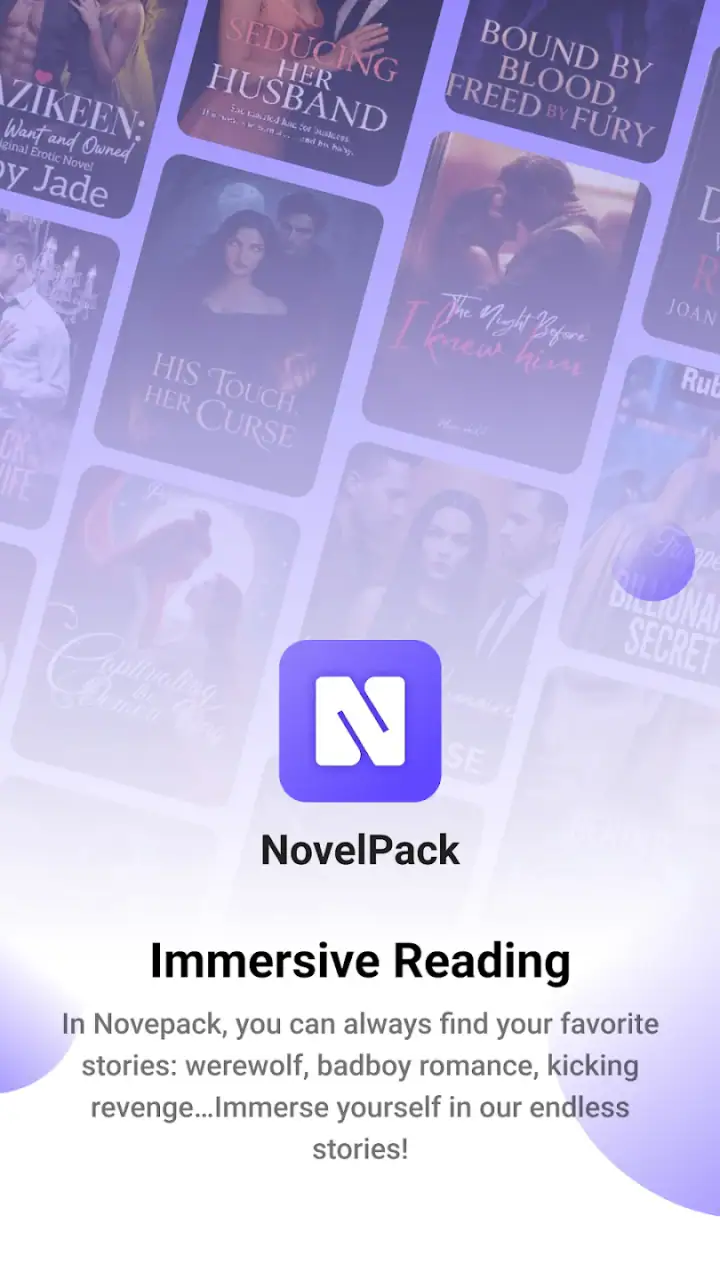
The useful way to approach the app is to separate sampling from committing. Start with the freely available reading experience, see whether the writing style and chapter rhythm suit you, and only then decide whether paid access is worthwhile. For a reader who dislikes interruptions or does not want to track spending, a conventional ebook store may be easier to manage. Novelpack is more attractive to someone who accepts that web fiction can combine free discovery with optional paid progression.
Setting boundaries before anyone starts reading
On a personal phone, setup can be quick. On a household device, I would establish three boundaries first: which account is being used, who is allowed to make purchases, and whether the app is available to younger users. Those are not complicated rules, but they prevent the most likely problems. A family does not need to treat Novelpack like a complicated media server; it simply needs to avoid confusing shared hardware with shared reading identity.
I would also agree on whether the household wants one reader to remain signed in or whether each person should use the app only on a personal device. The better choice depends on how private the reading material is and how comfortable everyone is with one person’s recommendations, history, or unfinished chapters appearing during another person’s session. Since fiction preferences can be personal, a separate-device arrangement is cleaner when available.
Another useful boundary concerns notifications and reading time. A story platform can encourage the habit of checking for the next chapter, which is enjoyable for some readers but distracting for others. In my experience, the best approach is to use Novelpack deliberately: open it when I have chosen to read, rather than allowing every spare moment to become an invitation to continue. That keeps the app entertaining instead of letting it dominate the rhythm of the evening.
Coordinating without spoiling the experience
Novelpack can also become part of a small household reading routine. Two adults might read the same story and discuss it over coffee, or one person might recommend a title to another. The main coordination challenge is avoiding spoilers. I would agree on a chapter limit before discussing a story, especially if one reader moves faster than the other. That simple rule is more helpful than sending vague messages such as “wait until the next part,” which can accidentally reveal that a major turn is coming.
For a shared tablet, I would keep a basic note outside the app with the reader’s name and current story position. This is especially useful when several people are reading different novels and the device does not make the active reader immediately clear. It is a low-tech solution, but it avoids opening several stories just to find the right one and reduces the chance of someone marking the wrong place.
Recommendations should also be personal rather than automatic household policy. One reader may enjoy intense relationship drama, while another prefers lighter romance or a slower pace. Because Novelpack is centered on romance novels and web fiction, its value comes from finding the right corner of that broad area, not from pretending every title will suit every person. I would recommend a specific story only after describing its tone, not merely because it is popular inside the app.
Age, trust, and the mature rating
The Mature 17+ rating changes how I would introduce Novelpack to a household. I would describe it as an adult-oriented fiction app and keep the conversation direct. A romance category can include very different levels of emotional intensity and subject matter, so parents and guardians should not rely on the category name alone when deciding whether a teenager should use it.
Trust matters here more than elaborate rules. If an older teenager is permitted to read on the app, I would make the expectations clear: use the correct account, do not buy anything without permission, and understand that the app is not intended for younger children. If those expectations cannot be followed, I would skip installing it on a shared family device. That is a reasonable limitation, not an unfair judgment of the app.
Adults sharing a device should have a similar conversation, even if age is not an issue. Private reading preferences, payment access, and recommendations can all create awkward moments when people assume that a communal tablet equals a communal account. I prefer clear ownership: one person manages the account, and other readers use their own device or receive explicit permission. That arrangement is less convenient than passing around one tablet, but it is much easier to trust.
Reading comfort and everyday workflow
My preferred workflow would be simple. I would browse when I have time, choose one story rather than opening many at once, and stop at a natural chapter break. For longer sessions, I would adjust my surroundings instead of expecting the app to solve every comfort issue: lower the screen brightness, use a stable reading position, and avoid reading in a way that strains the neck. These small choices matter because serialized fiction can turn a planned ten-minute break into a much longer session.
The app’s strongest everyday use is therefore not as a replacement for every book service. It is a focused option for readers who want romance and web fiction immediately available on a mobile device. Someone who reads across many genres may find the narrower catalog less satisfying than a broad ebook platform. Someone who prefers owning a permanent ebook file may also be happier with a conventional store. Novelpack is better suited to readers who enjoy browsing within a defined fiction style and returning to stories over time.
I would also think about reading continuity before relying on it for travel. A mobile reading app is convenient when the phone is close at hand, but I would not plan an entire trip around assumptions about access, saved progress, or connectivity unless I had tested my own routine beforehand. The sensible approach is to open the stories I expect to read before leaving and confirm that the device behaves as I need. That is good preparation for any online reading service, particularly one built around web fiction.
Performance expectations and version context
Novelpack currently sits at version 12.32.0 and requires Android 7.0 or later on compatible Android devices. That makes checking the operating system worthwhile before trying to install it on an older household phone or tablet. A device that is technically shared but rarely updated can create more frustration than the app itself, especially when one family member expects it to work immediately.
The app has reached over 500 thousand installs, and its average rating is 4.6 from around 16 thousand ratings, with roughly 2 thousand written reviews. I read those figures as a sign that the basic concept has found an audience, not as a guarantee that every reader will enjoy every title. Ratings are particularly limited for a story-focused service because writing taste is personal. A reader who dislikes romance-driven plots may reasonably have a poor experience even if many other users are happy.
Those numbers also help set expectations about support and familiarity. Novelpack is not an obscure experiment with no visible readership, but it is still a specialized choice rather than a universal reading standard. I would try it because the genre matches my interests, not because a rating alone tells me it is the best reading app for everyone.
Where it beats ordinary ebook alternatives
Compared with a standard ebook store, Novelpack feels more focused on discovery within romance and web fiction. That can save time. Instead of searching through cookbooks, biographies, manuals, and literary classics, I can stay inside the type of storytelling I already want. For a reader who likes serialized fiction, that focus may feel more natural than a large general catalog.
The trade-off is control. Traditional ebook purchases are often easier to understand as individual books, while a web-fiction platform can make reading feel more continuous and may place optional purchases along the path. I prefer Novelpack for browsing and sampling; I would choose a conventional ebook service when I want a clearly packaged title, a broad range of subjects, or a straightforward ownership decision.
Compared with a library app, the difference is even clearer. A library service is usually the better first stop for readers who want to borrow a wide selection without paying per item, assuming their local library supports the titles they want. Novelpack is more appealing when the specific attraction is romance web fiction and the reader enjoys the app-centered discovery experience. Neither replaces the other; they serve different reading habits.
Compared with reading in a mobile browser, Novelpack offers a more dedicated environment for returning to fiction. A browser is flexible and useful when a story is available only on a particular website, but it can feel cluttered and makes it easier to lose the thread between sessions. Novelpack’s value is the focused routine. The downside is that I am committing to one service’s selection and purchase model instead of moving freely across the web.
Who should use it, and who should skip it
I would recommend Novelpack to an adult reader who regularly chooses romance novels, enjoys web-fiction pacing, and wants a convenient mobile reading habit. It is also a reasonable trial for someone who is curious about serialized stories and wants to explore before spending much. The free installation gives that reader room to test the tone, browsing experience, and chapter flow.
I would skip it if my main goal were reference material, educational reading, comics from many publishers, or a large mixed-genre ebook library. I would also skip it on a shared family tablet if nobody is willing to manage account boundaries and purchases. The Mature 17+ rating makes it a poor fit for an unsupervised children’s device, regardless of how attractive the free starting point may seem.
Readers who dislike cliffhangers, frequent returning, or optional paid progression should think carefully before settling in. A complete traditional novel may provide a calmer experience because the cost and structure are easier to understand from the beginning. Novelpack is most enjoyable when I accept the rhythm of web fiction instead of expecting it to behave like a printed book.
My household verdict
My overall view is positive but specific: Novelpack is a good fit for adult romance and web-fiction readers, not a universal family reading app. Its free access makes experimentation easy, its focused category reduces browsing overload, and its mobile format suits short daily sessions. The main responsibilities sit around the app rather than inside the stories: keep accounts distinct, protect purchase access, and take the Mature 17+ rating seriously.
For a personal phone, I would give it a fair trial if romance is already one of my preferred genres. For a shared device, I would install it only after agreeing on who uses the account and who can spend money. I would also keep reading progress and recommendations personal where possible, because a household works better when convenience does not erase privacy.
My final recommendation is to try Novelpack as a focused adult fiction app, not as a replacement for a library or a complete ebook collection. If its romance selection and serialized rhythm match your habits, it can become an easy companion for waiting rooms, commutes, and quiet evenings. If your household needs child-friendly access, broad reference material, or completely predictable one-time purchases, another reading option will be the more comfortable choice.
FAQs for Novelpack
What is Novelpack, and what can I use it for?
Novelpack is an app designed for readers who enjoy discovering and reading serialized novels and other written stories on a mobile device. Its catalog may include different genres, reading formats, and ongoing or completed titles. Before downloading, users should check the current library, supported languages, and whether the stories they want are available in their region.
Is Novelpack free to download and use?
Novelpack may be available as a free download, but some content or features can require in-app purchases, subscriptions, virtual credits, or other payments. Access conditions may differ between Android and iOS and can change over time. It is advisable to review the app-store listing, pricing information, and payment terms before starting a book or unlocking premium chapters.
Does Novelpack require an internet connection?
An internet connection is generally needed to download the app, browse its catalog, synchronize reading progress, load new chapters, and access account-related features. Depending on the version, selected content may be available for offline reading after it has been downloaded. Users with limited mobile data should download stories over Wi-Fi and verify whether offline access is supported.
Is Novelpack safe for children and suitable for all readers?
Novelpack may contain stories with themes intended for mature audiences, including romance, violence, emotional conflict, or other sensitive subjects. The appropriate age rating and content availability can vary by title and region. Parents should review the official store rating, privacy information, and individual story descriptions before allowing children to create an account or use the application.
What permissions and account information does Novelpack require?
The permissions requested by Novelpack can vary according to the operating system and the features enabled in the app. An account may be needed to save progress, synchronize data, personalize recommendations, or make purchases. Before installation, users should examine the privacy policy and app-store data-safety details to understand what information may be collected, stored, or shared.
Pros
- Clean
- lightweight interface that makes browsing novel content quick and straightforward.
- Useful package-style organization helps keep related stories or chapters together.
- Content can be convenient to access when you have limited time or connectivity.
- Simple navigation makes the app approachable for first-time users.
- A practical option for readers who prefer focused novel discovery over social features.
Cons
- The available library may feel limited compared with larger reading platforms.
- Some content or features may require an internet connection to work properly.
- Reading preferences and customization options may be relatively basic.
- Updates and newly added titles may not arrive consistently.
- The app may not offer enough tools for users who want detailed reading statistics.


